Thermometer
Records air temperature. For comparable readings it must sit inside a ventilated, shaded enclosure rather than in direct sun.
Sensors, placement and data logging for hobbyists recording local temperature and precipitation across Canadian backyards — from coastal British Columbia to the Prairie cold snaps.

A home weather station is a small cluster of instruments that record the conditions in one specific spot — your yard, not the regional airport. The most common readings for hobbyists are air temperature, rainfall and snowfall, humidity, wind and barometric pressure. Recording these consistently over months turns scattered observations into a record you can compare season to season.
The value of a personal station is its locality. Official Environment and Climate Change Canada readings often come from an airport or open field that may sit many kilometres away and at a different elevation. A station fixed in your own backyard captures the cold air that pools in a low corner, the rain shadow behind a fence, or the few extra degrees a south-facing wall radiates on a clear winter afternoon.
Records air temperature. For comparable readings it must sit inside a ventilated, shaded enclosure rather than in direct sun.
Collects and measures liquid precipitation. Manual cylinder gauges and tipping-bucket gauges are both common in backyards.
Measures wind speed, and with a vane, direction. Mounting height and surrounding obstacles change the readings considerably.
Records relative humidity, usually bundled into the same housing as the thermometer in consumer stations.
Tracks air pressure. Falling pressure often precedes unsettled weather; steady high pressure tends to bring calm spells.
Stores readings at regular intervals so trends can be reviewed later instead of relying on spot checks.
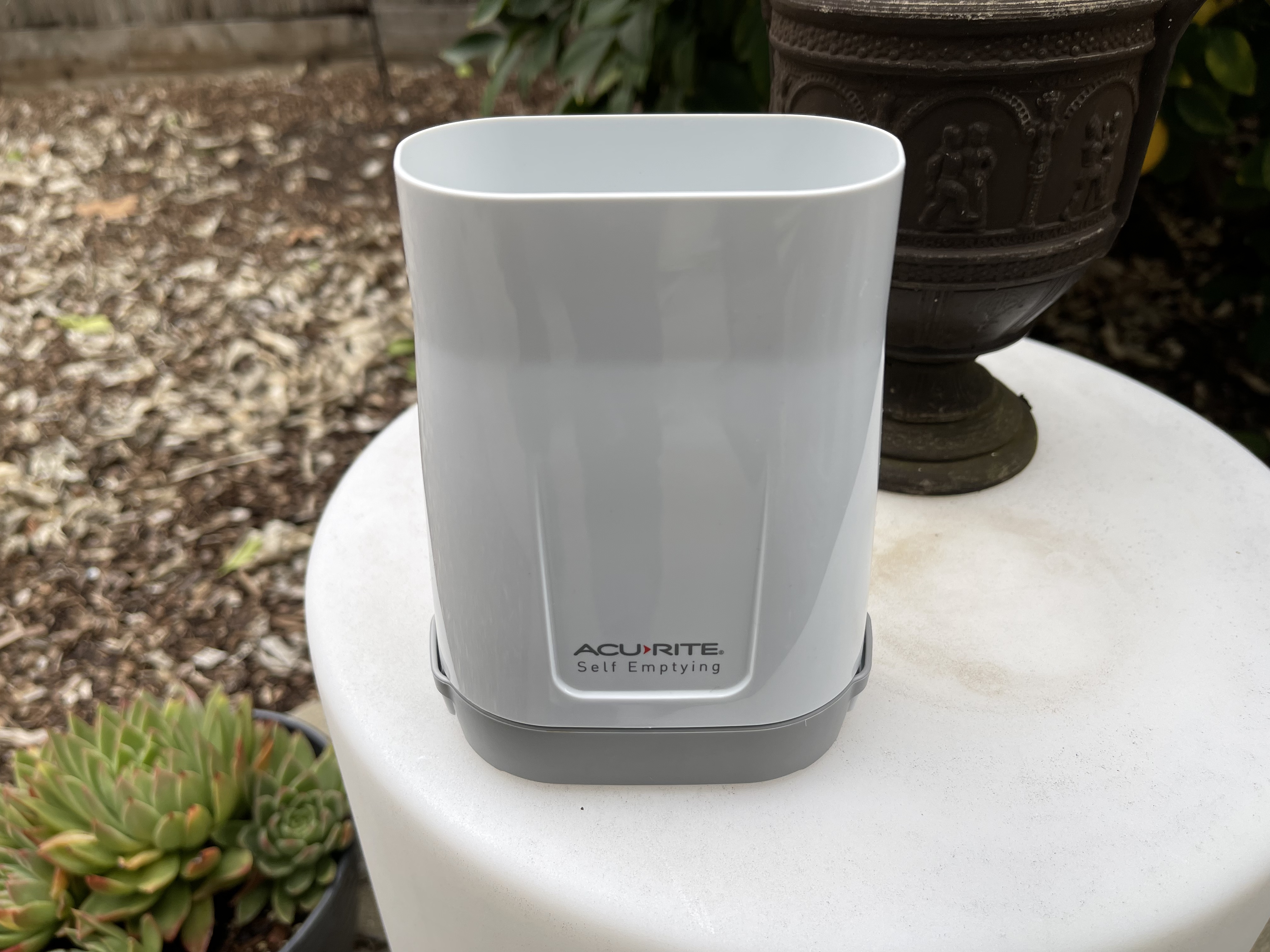
Manual versus electronic instruments, accuracy expectations, and what hobbyists in cold climates should weigh before buying.

Siting rules for shelters, gauges and anemometers, and the local quirks of snow, fences and frost pockets.
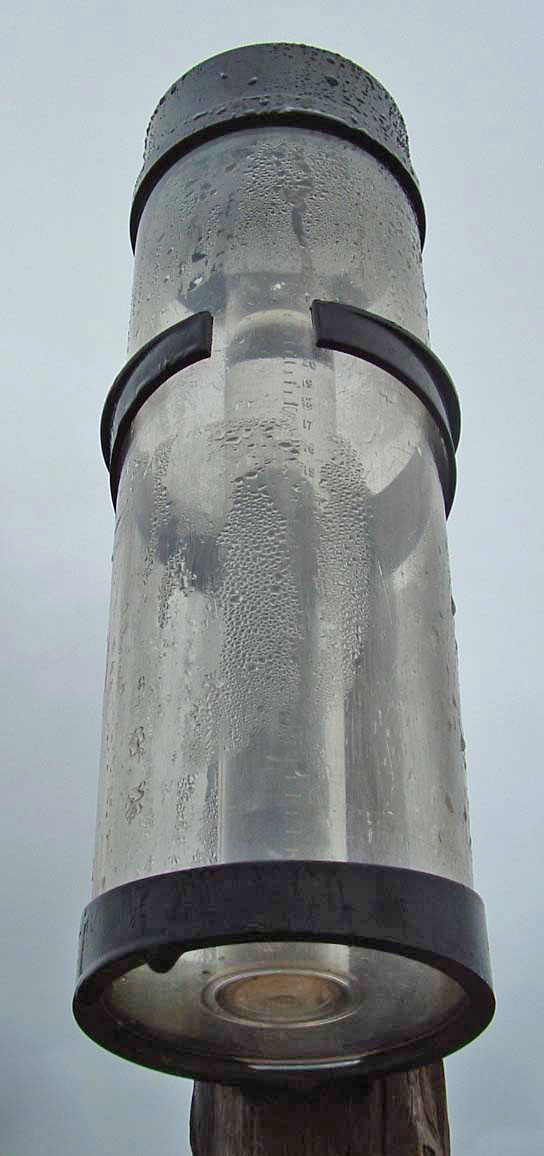
Recording intervals, handling frozen precipitation, and keeping a tidy log you can actually compare over time.
Questions or corrections about the reference notes on this site are welcome. This form runs entirely in your browser for demonstration and does not transmit information anywhere.